Electric mobility is accelerating faster than ever, and by 2026 the market will be packed with smarter, longer‑range, and more affordable EVs across every segment. From compact city cars to high‑performance SUVs, buyers will have an unprecedented range of options. Below is a curated look at standout electric cars expected to shape everyday driving, road trips, and even business fleets in 2026—highlighting real‑world range, charging speed, tech features, and ownership value.
1. Tesla Model 3 Refresh: Mass‑Market EV Benchmark
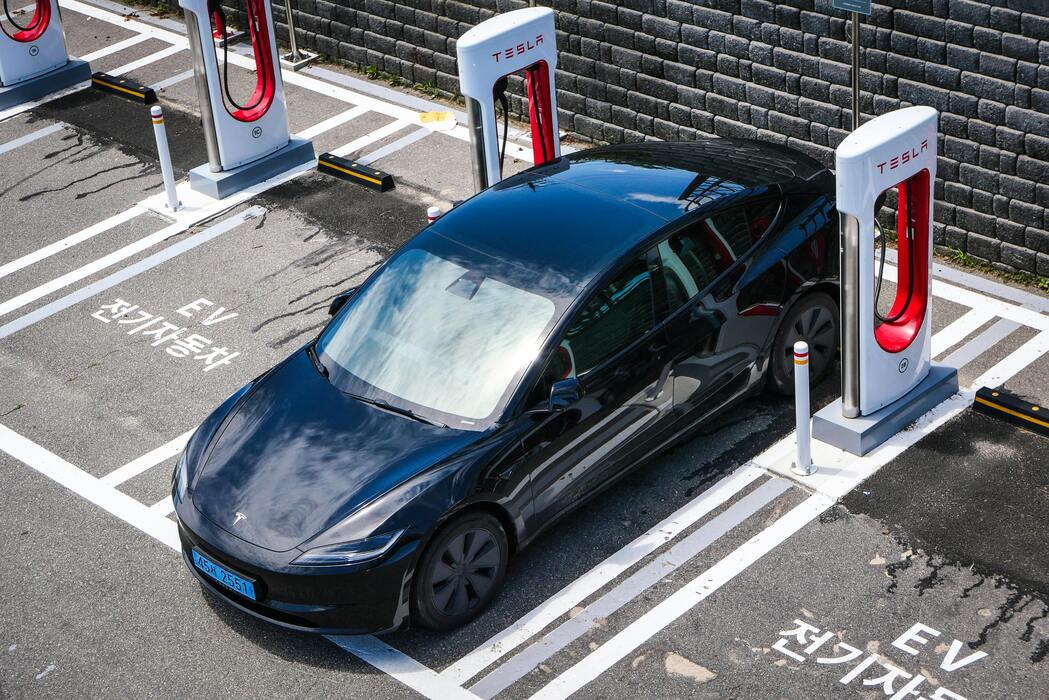
Still one of the best‑selling electric sedans, the refreshed Tesla Model 3 expected to be widely available in 2026 aims to refine efficiency, comfort, and driving dynamics. Key updates focus on improved aerodynamics, upgraded interior materials, and better noise insulation. Buyers can anticipate real‑world ranges in the 270–340 mile (435–550 km) bracket depending on configuration, backed by Tesla’s extensive fast‑charging network.
For commuters and small business owners, lower running costs remain a core appeal: fewer moving parts, no oil changes, and reduced brake wear thanks to regenerative braking. If you use your car for client visits or local deliveries, pairing predictable EV operating costs with streamlined admin can be powerful—especially when you automate paperwork with tools like a free invoice generator to keep your billing fast and professional as your electric mileage grows.
2. Hyundai Ioniq 7: Family‑Sized Electric SUV With Big Range
Hyundai’s Ioniq line is already respected for value and technology, and the Ioniq 7— expected to be a full‑size, three‑row electric SUV—seeks to capture families and fleet buyers needing serious space. Built on Hyundai’s E‑GMP platform, the Ioniq 7 is projected to offer:
- Over 300 miles (480+ km) of usable range in many trims.
- Ultra‑fast DC charging, potentially adding 60–80% charge in under 30 minutes.
- Flexible seating that can adapt for passengers or cargo.
With a high‑tech cabin, extensive driver assistance systems, and competitive pricing against luxury rivals, the Ioniq 7 stands out for large households and ride‑share drivers who need comfort and practicality without sacrificing range.
3. Volkswagen ID. Buzz Long‑Range: Iconic Design Meets Modern EV Tech
The ID. Buzz brings classic microbus charm into the electric era. By 2026, long‑range and more powerful variants should be common in many markets. The Buzz is especially interesting for people who want personality and space in one package:
- Spacious cabin for families, campers, or mobile businesses.
- Configurable seating and cargo options for bikes, boards, or work equipment.
- Expected real‑world ranges approaching or exceeding 280–300 miles (450–480 km) in optimized trims.
With bidirectional charging likely to spread, the ID. Buzz could also act as a backup power source for your home, campsite, or tools, adding another layer of utility beyond simply driving.
4. Ford Mustang Mach‑E Next‑Gen: Sporty Crossover With Practical Appeal
Ford’s Mustang Mach‑E has already proven that an EV crossover can be both practical and genuinely fun to drive. By 2026, the updated versions are expected to bring refined suspension tuning, improved interior tech, and incremental range gains. Anticipated highlights include:
- Quick acceleration rivaling many traditional performance cars.
- Multiple battery sizes to balance budget and range needs.
- Over‑the‑air software updates to enhance performance and features over time.
For drivers who want one vehicle that can handle school runs, road trips, and spirited weekend drives, the Mach‑E will remain one of the most compelling all‑rounders in the segment.
5. Polestar 4 and 5: Scandinavian Design With Long‑Distance Comfort
Polestar is rapidly building a reputation for refined electric cars that emphasize minimalist design, sustainability, and long‑distance comfort. The Polestar 4 (a sporty SUV‑coupe) and Polestar 5 (a sleek grand‑touring sedan) are expected to be widely available and further evolved by 2026. Anticipated strengths include:
- Premium interiors with a strong focus on vegan and recycled materials.
- Competitive ranges over 300 miles (480+ km) on selected trims.
- High‑performance versions aimed at enthusiasts who still want luxury and efficiency.
Both models are likely to appeal to drivers who value understated style, high safety standards, and a relaxed, confident driving experience at motorway speeds.
6. Kia EV5 and EV9: Value‑Packed SUVs Across Two Sizes
Kia’s EV lineup is expanding quickly, and by 2026 two models will be particularly notable: the mid‑size EV5 and the larger, more premium EV9. These SUVs aim to deliver strong value with generous equipment levels and practical features:
- Available all‑wheel drive and towing capacities suitable for trailers and small caravans (especially with EV9).
- Flat‑floor interiors that maximize space and make rear seating more comfortable.
- Fast‑charging capabilities that help reduce downtime on long trips.
Their combination of range, versatility, and competitive pricing makes them strong options for growing families, outdoor enthusiasts, and small businesses that need spacious EVs.
7. BYD Seal and Dolphin: Budget‑Friendly Range Leaders
BYD is quickly becoming a global EV heavyweight, known for integrating its own battery technology to keep costs down while offering solid performance. Two standout models to pay attention to in 2026 are the BYD Seal (a mid‑size sedan) and the BYD Dolphin (a compact hatchback):
- Competitive pricing compared with many established brands’ entry‑level EVs.
- Respectable ranges that can exceed 250 miles (400+ km) depending on spec.
- Good equipment levels, including driver‑assist systems and connected infotainment.
These models will appeal to cost‑conscious drivers and urban commuters who want lower purchase prices without sacrificing usability and range.
8. Lucid Air and Gravity: Luxury EVs Focused on Maximum Range
At the premium end of the market, Lucid is targeting drivers who prioritize long range, high performance, and luxury. The Lucid Air sedan is already known for exceptional efficiency and projected ranges that can surpass 400 miles (640+ km) in certain configurations. Its SUV sibling, the Lucid Gravity, aims to carry that formula into a more practical family and adventure vehicle.
Expect powerful dual‑ or triple‑motor setups, advanced driver assistance, and some of the most comfortable interiors in the EV space. While these models command higher prices, they demonstrate where the cutting edge of electric car technology is heading.
Conclusion: How to Choose the Right EV for 2026 and Beyond
By 2026, the conversation around electric cars will be less about whether to go electric and more about which model best fits your lifestyle. When narrowing down your options, focus on:
- Real‑world range: Consider your daily mileage, climate, and access to home or workplace charging.
- Charging infrastructure: Look at fast‑charging availability along your regular routes and longer trips.
- Total cost of ownership: Factor in electricity vs. fuel, maintenance, insurance, incentives, and potential tax benefits.
- Use case: City commuting, family hauling, occasional towing, or business travel all point to different ideal models.
Whether you’re leaning toward a compact commuter like the BYD Dolphin, a family‑oriented SUV such as the Hyundai Ioniq 7 or Kia EV9, or a premium long‑range cruiser like the Lucid Air, the 2026 EV landscape will offer more choice and capability than ever. Taking the time now to understand battery technology, charging options, and your own driving habits will help you select an electric car that remains efficient, enjoyable, and financially sensible for years to come.